ValenciaLink

Spring in Valencia: what to see and where to escape for a one-day reset

ValenciaLink

Spring is when Valencia feels most effortless: softer light, open terraces, long walks through the Turia, and sea-air days in Cabanyal and along Malvarrosa. This expert yet lively guide highlights what to watch in the city and where to escape nearby 0 Albufera’s wetlands, historic castle towns, thermal waters, and inland wine routes - finished with five mini-secrets to help you plan like a local.

Spring is when Valencia stops being a “city you visit” and becomes a place you live in for real. The light turns soft but confident, terraces return without apology, the Turia fills with runners and families, and the scent of azahar (orange blossom) starts drifting through streets like a quiet soundtrack. It’s also the season when Valencia’s best trick reveals itself: you can do a full urban day - markets, art, sea air - and still slip out of the city for mountains, castles, vineyards or thermal water before dinner.

Here’s a grounded, local-feeling spring plan: what to watch for inside Valencia, and the most satisfying nearby escapes when you want “less noise, more sky”.

What to watch in the city 

1) Fallas (March): the spring moment that changes the city’s tempo

If you’re in Valencia in March, Fallas isn’t just an event - it’s a full-body experience that reshapes the city’s soundscape, streets, and daily logistics. For visitors, it’s the best chance to see Valencia at maximum intensity: towering satirical monuments (ninots), night-time fireworks, and the famous mascletàs that you feel in your chest before you understand what’s happening.

A practical spring note: Fallas can be dazzling and demanding. Expect road closures, packed public transport, higher accommodation prices, and late-night noise in central areas. If you want to enjoy it without burnout, plan like locals do: pick one or two “must-see” moments, watch the atmosphere in the afternoons, then escape to calmer zones (Turia Garden, Cabanyal promenade, or even a quick day trip) to balance the energy. Spring in Valencia starts loud - and then becomes beautifully livable.

2) The city “opens up” after Fallas - and you can feel it

By late March, the adrenaline of Fallas gives way to a calmer, brighter Valencia. The same plazas that were packed for mascletàs suddenly become walkable again. That’s when you’ll notice the everyday beauty: the long mornings, the slow coffee culture, the way the sun hits stone in Ciutat Vella and the modern curves of the City of Arts and Sciences.

3) Cabanyal + Malvarrosa are at their best when the heat hasn’t arrived yet

Spring is prime time for the seaside neighborhoods: you can walk the promenade without melting, stop for seafood without fighting crowds, and catch that clean, salty wind that makes everything feel lighter. If you’ve only seen the beach in summer, spring is the “director’s cut” version.

4) Kite Day at Cabanyal Beach: the most cheerful “spring sky” moment

Valencia’s kite tradition usually lands in spring on Cabanyal Beach, turning the shoreline into an open-air theatre of wind, color, and giant flying shapes. The classic setting is the kite-flying zone at Playa del Cabanyal (near the Antonio Ferrandis monument), with pilots flying acrobatic routines, oversized figure kites, and a family-friendly atmosphere that feels like a city-wide exhale.

5) The Turia Garden becomes Valencia’s real main avenue

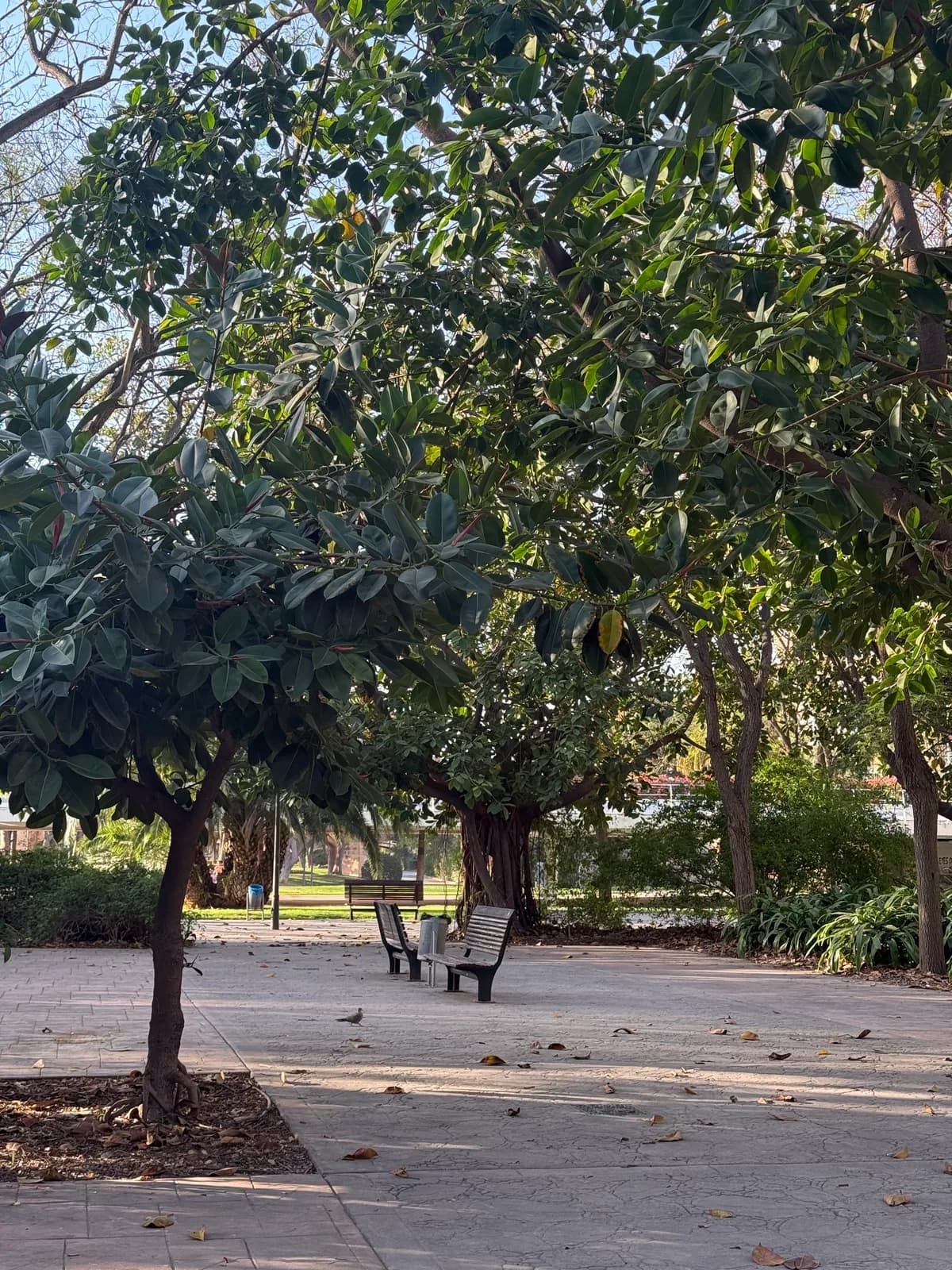
Locals don’t say “let’s meet downtown” - they say “let’s meet in the Turia.” In spring, it’s the city’s green spine: cycling, picnics, skate ramps, orange trees, and those little bridges that make you forget you’re in a big city. Start near Gulliver Park if you want energy, or drift toward the Bioparc side if you want quieter stretches.

6) Holy Week by the sea feels like Valencia’s own genre

Semana Santa Marinera (in the maritime districts) has a completely different atmosphere than inland Spain - more intimate, more neighborhood-based, with processions moving through Cabanyal/Canyamelar/El Grau. In 2026, Holy Week runs from March 29 to April 5.

7) Early June is still “spring mode” - and the city goes musical

Before the full summer crush, Valencia hosts big outdoor weekends. One of the spring-to-summer markers is Festival de les Arts (June 5–6, 2026) at the City of Arts and Sciences - the kind of event that changes the city’s vibe for days.

Where to go near Valencia (day trips that feel worth it)

Albufera Natural Park: the closest “nature switch”

If you only do one escape, make it Albufera. It’s south of the city and feels like a different world: rice fields, open water, huge skies, birds, and that calm you can’t buy in the center. Spring is ideal because it’s comfortable to walk and cycle, and the landscape is vivid. It’s also the spiritual home of Valencia’s rice culture - the day trip that explains the region’s food.

Mood: slow, cinematic, very Valencian.

Xàtiva: a castle day with real drama

A proper spring classic: train-friendly, walkable, and defined by its epic hilltop castle. Spring temperatures make the climb enjoyable instead of punishing, and the views feel almost unfair - mountains rolling out in layers, the town below like a model.

Mood: history, panorama, and that “I didn’t expect this much” feeling.

Sagunto: Roman bones + a quick reset

Sagunto is the “I have half a day” option that still delivers: Roman theatre, castle walls, and a town that mixes everyday life with visible history. It’s also a smart spring choice because you can combine culture with a coastal breeze without committing to a long trip.

Mood: compact, intelligent, easy.

Montanejos: warm water, cliffs, and a different Valencia

Yes, it’s famous - and yes, it’s still worth it in spring. Montanejos is about the contrast: rugged landscapes and surprisingly warm thermal pools. Spring keeps it comfortable: not too hot, not too crowded, and you can actually enjoy the hike-y parts without suffering.

Mood: “I needed this,” even if you didn’t know you did.

Utiel-Requena: vineyards, caves, and a serious lunch

If spring makes you crave long lunches and real conversations, go inland to wine country. The Utiel-Requena area is the “Valencian interior” many visitors miss - cellars, local reds (Bobal is the signature grape), and that rural calm that makes you slow down automatically.

Mood: grown-up, unhurried, very Spain-without-the-postcard.

5 mini-secrets: small moves that make spring in Valencia feel insider

  1. Do the beach early, not late.
    Go to Malvarrosa/Patacona in the morning (9-11). Spring mornings feel clean and spacious  you get the sea “without performance mode.”

  2. Use the Turia as your navigation tool.
    Instead of metro-to-metro, plan spring days like this: Turia walk → one neighborhood → one long lunch → slow return. It turns the city into a gentle loop.

  3. Albufera isn’t only about sunset.
    Everyone chases the golden hour - but spring midday is underrated: clearer light, stronger colors in the fields, and fewer crowds.

  4. Pick one “vertical” day.
    Valencia is flat - so a spring castle day (Xàtiva or Sagunto) hits differently. That single climb resets your brain for the whole week.

  5. Spring is the season for “two-stop days.”
    Do culture + nature in one: Sagunto + beach, or Albufera + El Saler walk, or wine country + a slow return through small towns. Valencia’s geography makes this easy - that’s the real luxury.

A final Valencia spring rule

Spring here isn’t about doing everything - it’s about timing. Valencia rewards people who start earlier, walk more, and leave space for a long lunch. Do that, and the city doesn’t feel like a checklist. It feels like a rhythm.

For the best spring flow, build your day around a few handpicked Places — from beaches and viewpoints to markets, cafés, and local essentials — and let the city guide you from one stop to the next