According to the sole available account, at 19.30 a civic procession left the doors of Casa Nebot and made its way through Bétera to the Plaza del Castillo. That short route held more than an official ceremony: it gathered a flag, local festival groups, dancers, musicians and rocket-fire into one moving piece of public theatre.
The reported programme was held on 8 October as Bétera’s commemoration of 9 d’Octubre, the Day of the Valencian Community. For someone arriving from outside, the useful detail is not simply that there was a procession. It is that the town placed its symbols on the street, where a crowd could follow them at walking pace rather than encounter them only in a council chamber or museum case.
A single account cannot establish how every resident experiences the occasion. It does, however, describe a clear local grammar: first the civic walk, then fireworks at the castle square, then a larger burst of noise and music at the Alameda. The order matters. Ceremony is not kept apart from sociability; it leads directly into it.
A flag needs a route
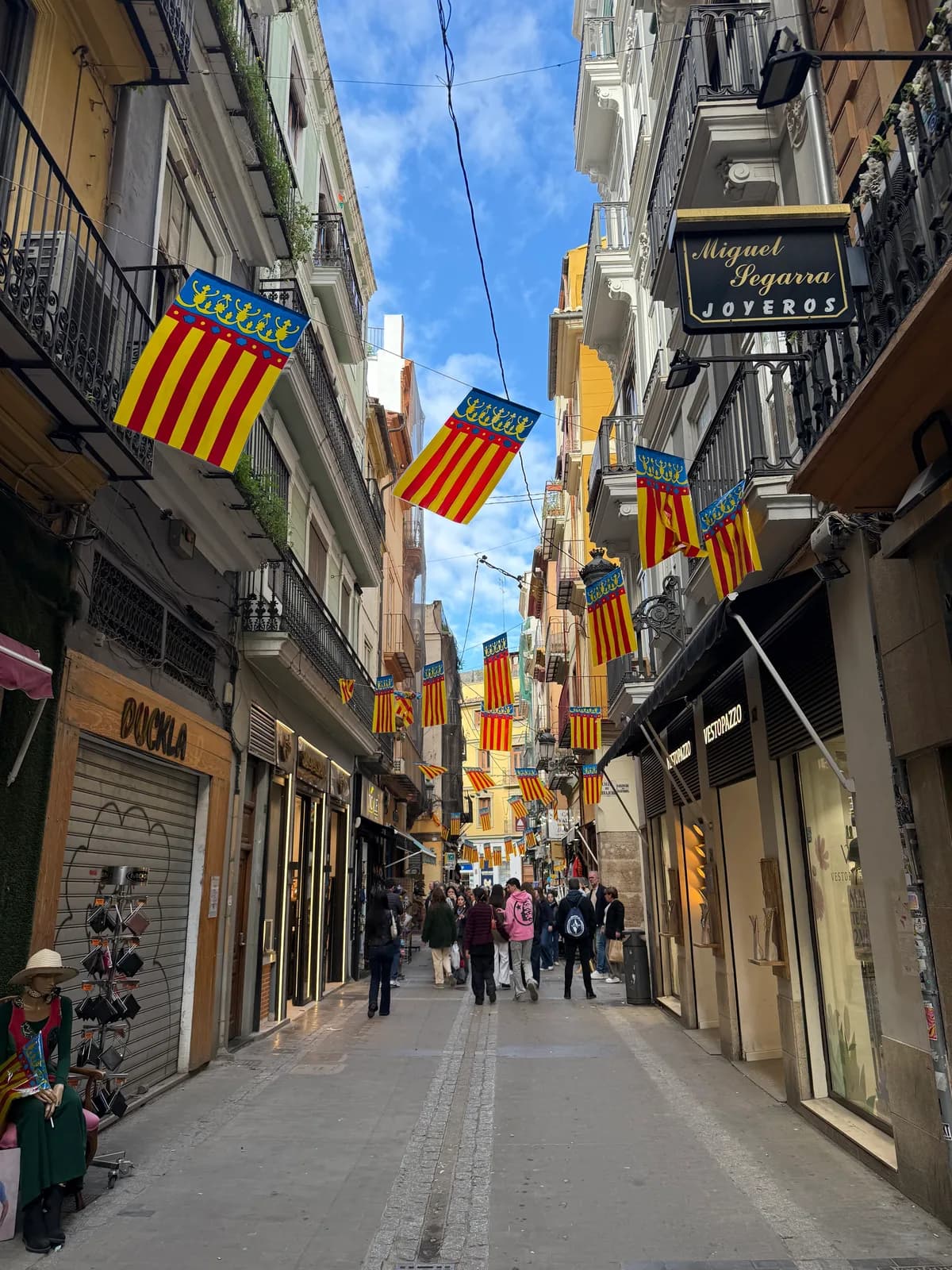
The Senyera reportedly travelled with the procession towards the town’s historic castle monument. A flag on a balcony is an emblem; a flag moving between familiar buildings becomes an occasion for people to line a route, recognise the groups beside it and arrive together at a shared stopping point.
The account says the entourage included Bétera’s Obreras and Mayorales 2027, the town’s senior fallera representatives, the Junta Local Fallera and delegates from its fallera commissions. The names may be unfamiliar to a visitor, but their presence is a practical clue: this was not presented as a performance delivered by anonymous professionals. It was built from organised local bodies that already have roles in the town’s festive life.
That is why a civic procession can feel denser than its distance suggests. There is the route itself, but also the web of people who have reason to be there. The mayor’s reported wording frames the day as one for sharing pride in roots and protecting customs that identify Valencians.
«Es un día para celebrar juntos, para compartir el orgullo de nuestras raíces y defender las costumbres que nos identifican como valencianos».
The sound is part of the procession
According to the report, the procession did not proceed in polite silence. The Grup de Danses FGVE brought the dances of gegants i cabuts, accompanied by Colla Xe que Burrà’s traditional music and a charanga. The reported passejà of rockets, led by the Obreras and Mayorales, added another layer: sound that travels with the group rather than waiting at the destination.
For a first-time observer, this combination is a better guide than a programme title. Look for the changing scale of the event: large figures and dancers create a visual rhythm, musicians make the route audible before it comes into view, and rockets turn the street into something felt as well as seen. The procession is therefore not only watched from the pavement; it announces itself through the town.
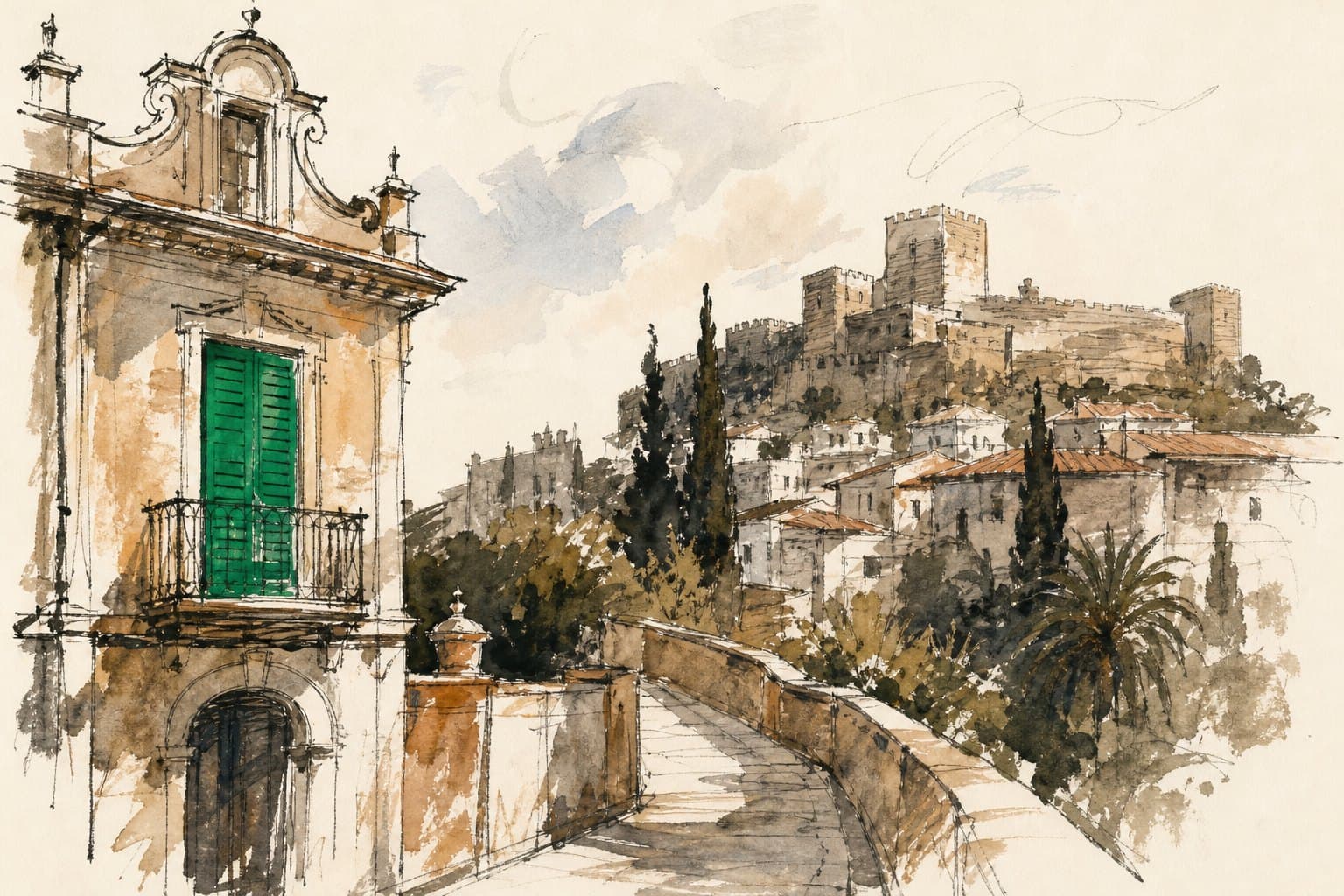
The same account reports that a fireworks display was set off when the Senyera and procession reached the castle monument. That finish gives the route a focal point. It also distinguishes a civic walk from a casual parade: movement is directed towards a symbol, and the arrival is marked with a public flourish.
Why powder comes after protocol
The reported celebration then moved to the Paseo de la Alameda, where a nocturnal mascletà by Global Foc - Caballer FX was scheduled for 22.00. The account describes Bétera as poble coeter, placing fireworks at the centre of the town’s self-image rather than treating them as decorative background.
There is a useful distinction for visitors here. A castle of fireworks is designed for looking up; a mascletà, as this programme presented it, is designed to make the place vibrate. The report’s language stresses that physical, collective effect. In this sequence, powder follows the formal arrival of the Senyera and shifts the evening from ceremonial attention to a louder, more bodily form of gathering.
That transition also explains why the setting changes. The Plaza del Castillo provides the reported institutional finale, while the Alameda holds the later spectacle and social evening. A town can use different spaces for different kinds of togetherness without needing to divide the celebration into separate audiences.
- Starting point: Casa Nebot, according to the report.
- Processional destination: Plaza del Castillo and its historic monument, as reported.
- Later gathering place: Paseo de la Alameda, where the report placed the night-time fireworks and music.
The dance floor is not an afterthought
After midnight, the same account says, the Alameda was to host Orquesta La Tregua for an open popular dance. This is the quiet lesson inside a programme full of flags and fireworks: a public commemoration can make room for people who come to dance, talk and stay out rather than take part in its formal roles.
The councillor for Fiestas and Traditions reportedly described 9 d’Octubre as a way to approach roots and history through a commemoration shared by the whole population. Whether one is a resident learning the local calendar or a visitor trying to understand what draws a crowd into the street, the reported structure offers a readable answer: participation has several doorways.
In Bétera, the next civic celebration worth noticing may not be legible from a single poster. Follow the flag for the official frame, listen for the band and rockets before the procession arrives, and notice where the evening ends. Those small choices reveal how a town turns its streets into a place where identity is not only declared, but practised together.